


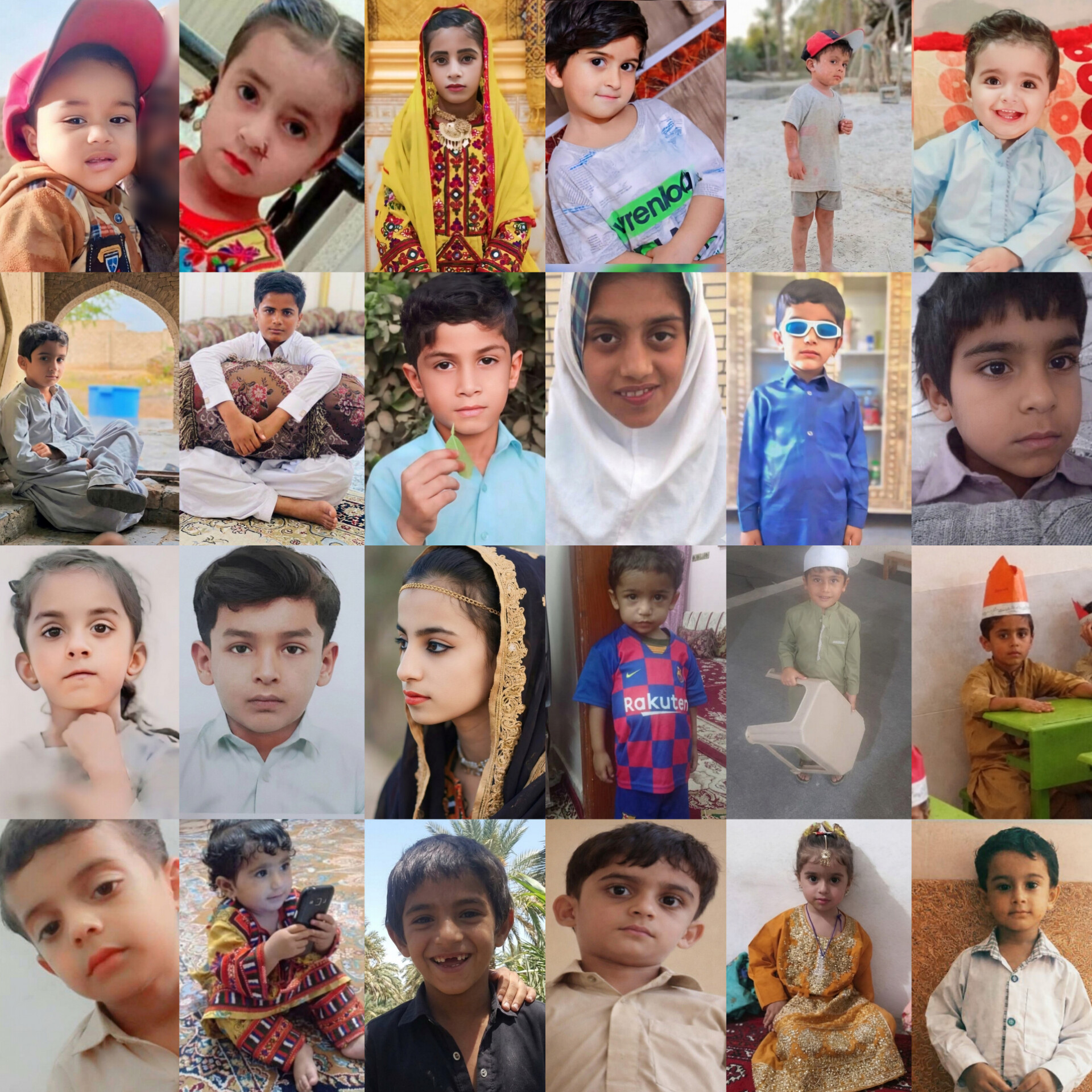
From 2014 to April 2026, at least 117 Baloch citizens, including 109 children, have lost their lives after falling into hootags (water storage pits). This figure underscores the scale of the infrastructure crisis and the lack of access to safe water in Balochistan.
According to documented data compiled by the Balochistan Human Rights Documentation Network, over a 12-year period, at least 117 Baloch citizens—including 109 children under the age of 12—have died as a result of falling into hootags. These figures are based on community-sourced documentation, and the actual number of victims is likely higher, as many incidents go unreported due to limited media access, weak official registration systems, and restrictions on information dissemination.
Among the victims, several cases illustrate the severity of the crisis: two teenage girls who died while collecting water for their families; a Baloch female teacher who lost her life while attempting to rescue two students; and a 70-year-old man who drowned while trying to save a child. Reports also indicate the deaths of two other women and two foreign nationals in similar incidents.
Hootags, traditionally used to collect rainwater, have increasingly become a primary source of water in Balochistan due to limited or unsafe access to basic water infrastructure in many areas. These pits lack fundamental safety measures, and the absence of fencing, covers, or supervision has turned them into a preventable cause of death—particularly for children.
According to official statistics, there are approximately 1,500 hootags in the southern areas of Sistan and Balochistan Province, more than 1,070 in Chabahar County, 300 in Dashtyari County, 18 in Konarak, 50 in Qasr-e Qand, and 30 in Sib and Suran. Continued reliance on such unsafe water sources reflects a serious gap in the development of essential infrastructure, including piped water systems, access to safe drinking water, and effective water resource management.
On February 19, 2023, Mostafa Beik Madah, Director General of the Housing Foundation of Sistan and Balochistan, announced the allocation of 26.5 billion tomans for the safety improvement of hootags.
On February 21, 2023, the Baloch Activists Campaign, in an interview with a resident of Dashtiari County regarding these measures, quoted a local citizen—who had lost a relative in a hootag incident—stating:
“The methods and materials used to secure the hootags are not durable. The fence posts are made of wood, which deteriorates under the summer heat, is damaged by animals, and decays due to moisture underground.”
The source added:
“The allocation of 26.5 billion tomans to organize hootags in only 44 villages, using materials that may be destroyed within a short period, amounts to little more than media propaganda.”
From the allocated budget, only eight hootags were secured, reportedly in a non-standard and inadequate manner, prompting criticism from a member of the Dashtiari City Council.
Sajed Johar, speaking to Rokna on November 2, 2023, stated:
“It was decided that 45 highly dangerous hootags located near schools, out of 280 in the central district of Dashtiari, would be fenced. Of those 45, only eight have been secured, and it remains unclear how the rest of the budget was spent.”
Funds allocated to prevent child deaths from drowning in hootags appear to have been inadequately monitored and implemented, while fatalities continue amid reported mismanagement and lack of accountability.
During the period following the allocation of 26.5 billion tomans for fencing and securing hootags in southern Balochistan—without the project being effectively completed—at least four Baloch children lost their lives after falling into these pits.
More than 47 years after the establishment of the Islamic Republic, access to safe water remains unresolved in many areas of Balochistan. The lack of effective investment in water infrastructure, unequal regional development, and deficiencies in long-term planning have left a significant portion of the population dependent on traditional and hazardous methods of water collection.
Under these conditions, hootags are no longer merely traditional structures but have become a symbol of a structural crisis in essential infrastructure—one that continues to result in preventable deaths, particularly among children. These fatalities persist despite the fact that many could be avoided through the development of safe infrastructure, public awareness initiatives, and basic safety measures.
Overall, the persistence of this situation demonstrates that the hootag crisis is not a temporary issue, but the result of years of accumulated deprivation and insufficient attention to essential infrastructure development in Balochistan—a condition that continues to endanger the lives of residents, especially children.
A “hootag” is a manually dug pit used for storing water, traditionally intended for livestock; however, in recent years, due to worsening water shortages in southern parts of the province, residents have increasingly relied on hootag water for drinking and household use.